

Introduction
Are you confused about web apps vs mobile apps: what’s the difference? You’re definitely not alone in this common confusion. Many business owners and developers struggle to choose between these two powerful platforms daily. Web apps run smoothly inside browsers without any downloads required whatsoever. Mobile apps install directly onto devices from official app stores. Both options serve different purposes and offer unique benefits to users. Understanding their key differences helps you make smarter decisions. This comprehensive guide breaks down everything you need to know clearly and simply.
1. Understanding Web Apps vs Mobile Apps: What’s the Difference?
Choosing between web apps and mobile apps confuses many business owners and entrepreneurs today. Both platforms serve users differently, offering unique advantages and limitations worth exploring. Web apps vs mobile apps: what’s the difference ultimately comes down to accessibility, performance, and user expectations.
Web applications run inside internet browsers without requiring downloads or installations. Users simply type URLs and access features immediately. Mobile applications download onto smartphones and tablets, offering deeper device integration.
Understanding these fundamental differences helps you make informed decisions. Your target audience, budget constraints, and functionality requirements determine which platform suits your project best. Let’s explore each aspect thoroughly throughout this comprehensive guide.
2. Breaking Down Web Application Technology
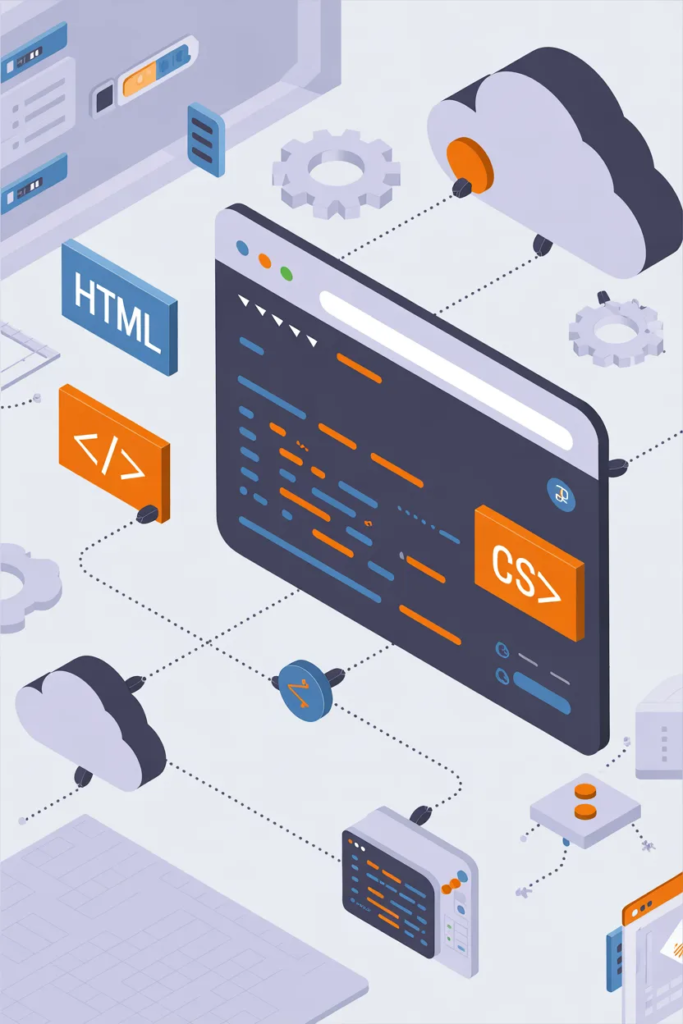
Web applications utilize browser-based technology to deliver functionality across devices. These apps run on remote servers, transmitting data through internet connections constantly. Users access web apps through URLs without visiting app stores ever.
The technology behind web apps includes HTML, CSS, and JavaScript primarily. Developers build responsive interfaces that adapt to different screen sizes automatically. This approach ensures consistent experiences whether users browse from desktops, laptops, or mobile devices.
Web apps vs mobile apps: what’s the difference regarding technology remains significant. Web applications require constant internet connectivity for optimal performance. However, Progressive Web Apps now offer limited offline functionality, bridging the gap between both platforms effectively.
3. How Mobile Applications Function on Devices
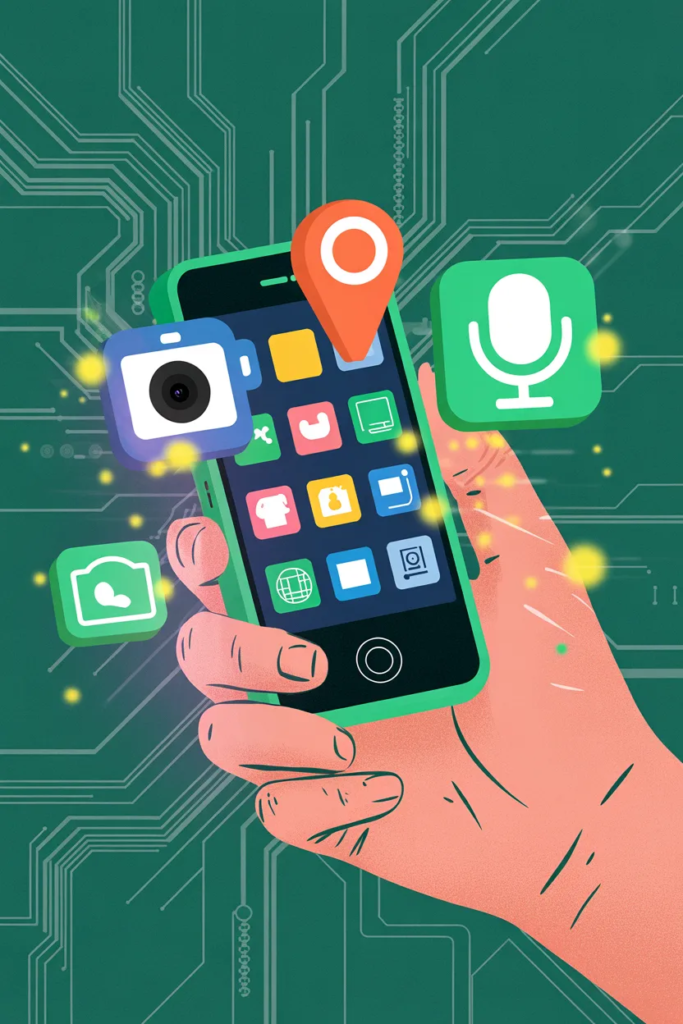
Mobile applications install directly onto smartphones and tablets through app stores. Apple’s App Store and Google Play Store distribute millions of applications worldwide. Once downloaded, these apps reside on devices permanently until users delete them.
Mobile apps utilize native device capabilities extensively. They access cameras, GPS sensors, contact lists, and storage systems seamlessly. This deep integration enables features impossible through browser-based applications alone.
When examining web apps vs mobile apps: what’s the difference in functionality becomes apparent. Mobile apps communicate with device hardware directly, creating smoother and faster user experiences. Push notifications keep users engaged even when apps remain closed completely.
4. Installation and Download Requirements Explained
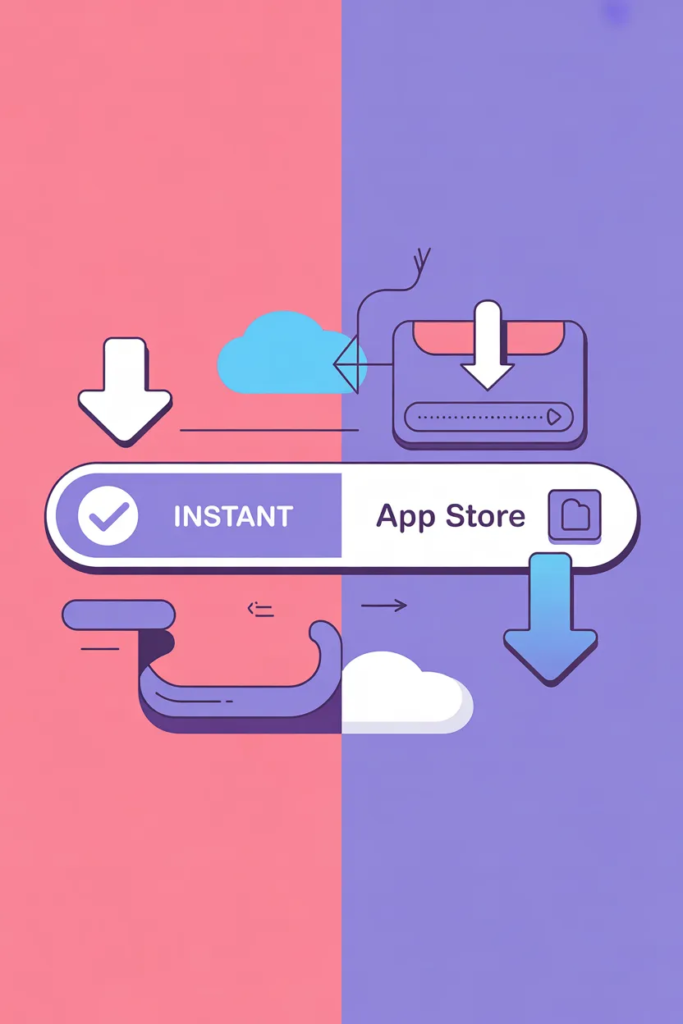
Installation processes differ dramatically between web and mobile applications. Web apps require zero downloads, saving users time and storage space instantly. Simply opening browsers and entering URLs grants immediate access to full functionality.
Mobile applications demand downloading through official app stores exclusively. Users must search, select, and install apps before accessing any features. This process consumes storage space and requires sufficient memory availability.
Web apps vs mobile apps: what’s the difference regarding installation impacts user acquisition significantly. Web apps remove friction from the user journey completely. However, mobile apps create dedicated home screen icons, improving brand visibility and user retention over time.
5. Comparing Development Time and Resources

Development requirements vary significantly between both platforms. Web apps typically require single codebases that function across all devices universally. Developers build once and deploy everywhere, reducing time and costs substantially.
Mobile app development often requires separate codebases for iOS and Android platforms. Native development demands specialized skills in Swift, Kotlin, or platform-specific languages. This doubles development time and increases budget requirements considerably.
Understanding web apps vs mobile apps: what’s the difference helps allocate resources wisely. Cross-platform frameworks like React Native and Flutter now bridge this gap partially. However, truly native experiences still require dedicated development for each platform separately.
6. Internet Dependency: Web Apps vs Mobile Apps
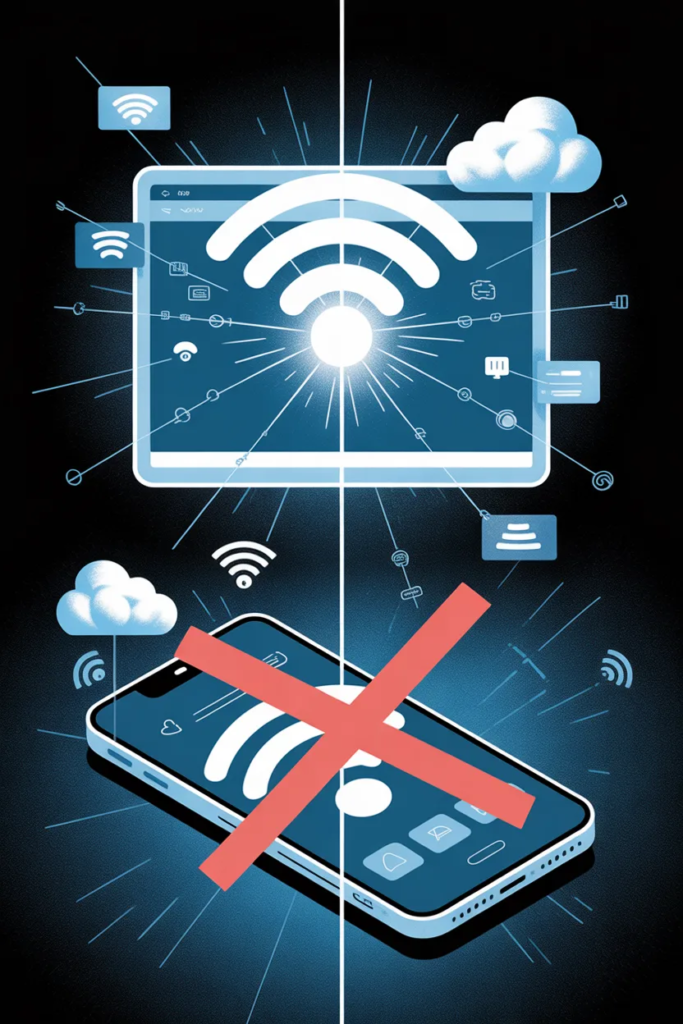
Internet connectivity requirements separate these platforms distinctly. Web applications depend on stable internet connections for all functionality consistently. Without connectivity, users cannot access web apps at all typically.
Mobile applications offer varying degrees of offline functionality. Many apps store data locally, allowing continued use without internet access. Games, note-taking apps, and media players work perfectly offline after initial downloads.
Web apps vs mobile apps: what’s the difference regarding connectivity matters for your audience. Users in areas with unreliable internet benefit from mobile apps significantly. However, Progressive Web Apps now cache data locally, offering improved offline experiences recently.
7. Maintenance and Update Processes
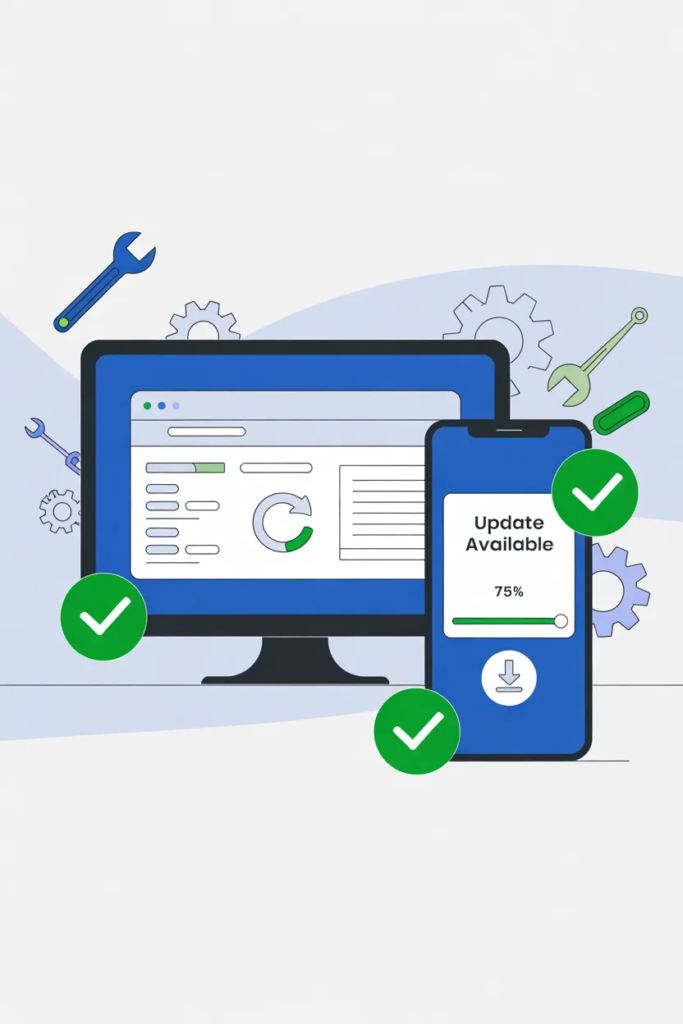
Update procedures differ fundamentally between both application types. Web apps update instantly on servers without user involvement whatsoever. Developers push changes, and users access updated versions immediately during next visits.
Mobile apps require users to download updates manually or automatically. App stores review updates before publishing, potentially delaying critical fixes. Users running outdated versions may experience bugs or security vulnerabilities.
When considering web apps vs mobile apps: what’s the difference in maintenance matters greatly. Web apps offer complete control over user experiences uniformly. Mobile apps depend on users accepting updates, creating version fragmentation across user bases potentially.
8. Device Compatibility and Platform Reach
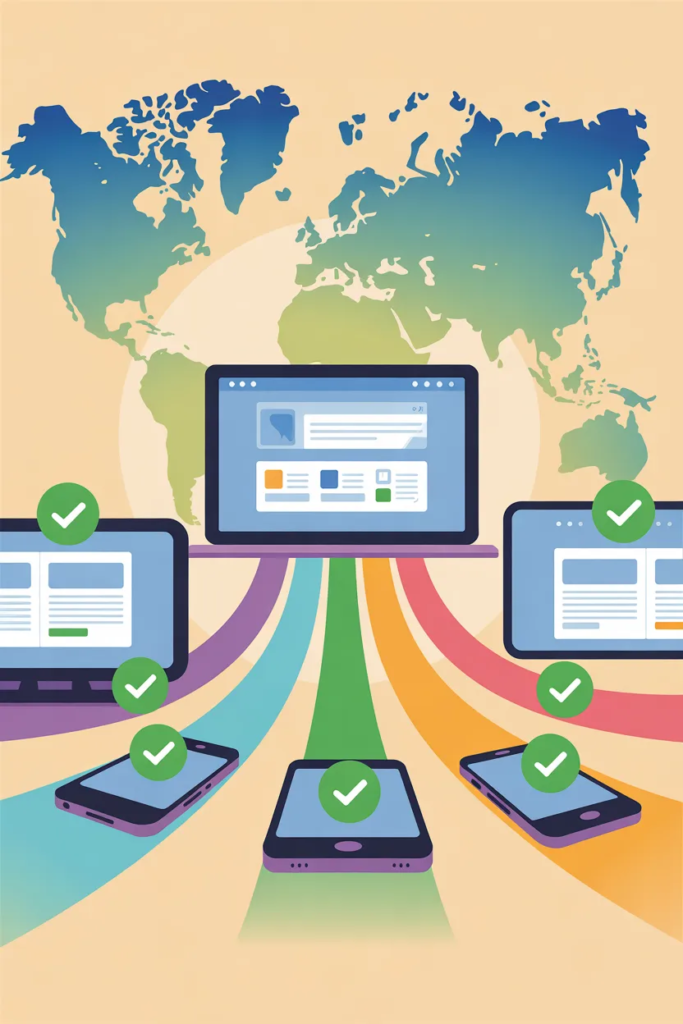
Compatibility considerations influence platform decisions heavily. Web apps work across virtually all devices with modern browsers installed. Windows, Mac, Linux, iOS, and Android users access identical experiences seamlessly.
Mobile apps limit reach to specific platforms initially. iOS apps require separate development from Android applications traditionally. Supporting both platforms doubles development efforts and ongoing maintenance requirements.
Examining web apps vs mobile apps: what’s the difference in reach reveals important insights. Web apps maximize potential audience reach immediately. Mobile apps offer superior experiences but require platform-specific investments for comprehensive market coverage.
9. Storage Space and Memory Usage
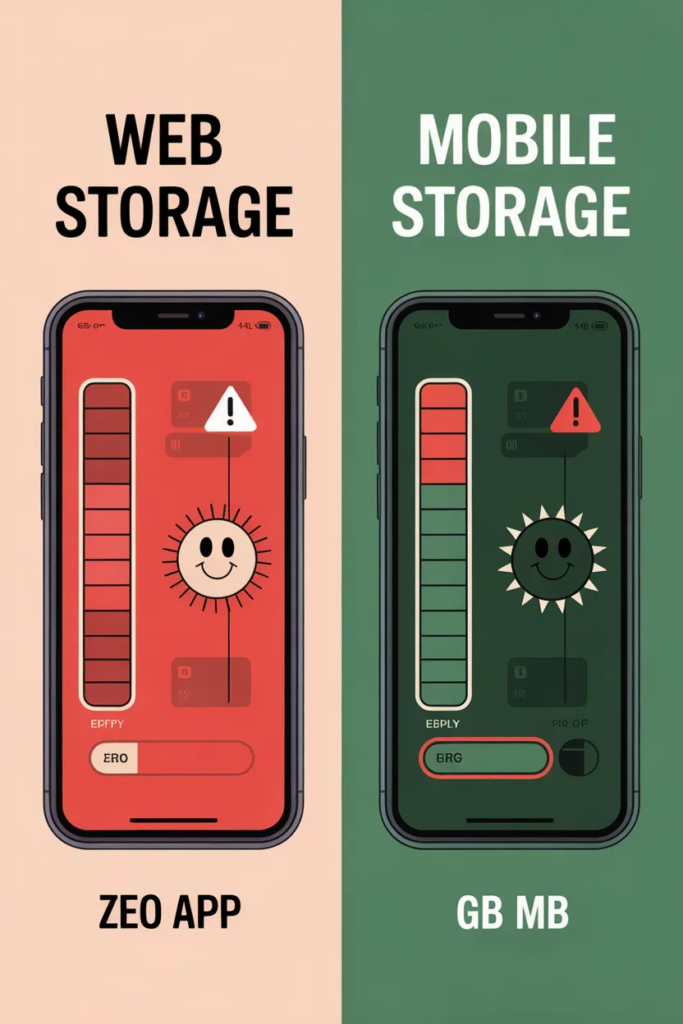
Storage requirements impact user device resources differently. Web apps consume zero permanent storage space on devices. All data resides on remote servers, accessible through internet connections only.
Mobile applications occupy storage space permanently after installation. Large apps consume gigabytes of precious device memory quickly. Users with limited storage may avoid downloading additional applications entirely.
Web apps vs mobile apps: what’s the difference regarding storage affects user decisions. Budget smartphones with limited storage capacity restrict app installations severely. Web apps eliminate this barrier, providing full functionality without storage concerns whatsoever.
10. Making the Right Choice for Your Project

Choosing between platforms requires careful consideration of multiple factors. Your target audience, budget, timeline, and functionality requirements guide this decision ultimately. Neither platform offers universal superiority over the other.
Web apps suit projects requiring broad accessibility and quick deployment timelines. Businesses targeting diverse device users benefit from browser-based solutions significantly. Lower development costs make web apps attractive for startups and small businesses.
Mobile apps excel when deep device integration matters most. Gaming, photography, fitness tracking, and social media applications leverage hardware capabilities effectively. Understanding web apps vs mobile apps: what’s the difference empowers you to make confident decisions for your specific project requirements.
Conclusion
Now you clearly understand web apps vs mobile apps: what’s the difference between them. Web apps offer broad accessibility and lower development costs for businesses. Mobile apps provide better performance and offline capabilities for users. Your choice depends on budget, target audience, and specific project requirements. Consider starting with one platform and expanding later based on real user feedback. Both options can drive success when implemented strategically. Make your decision confidently and start building today.