
Introduction
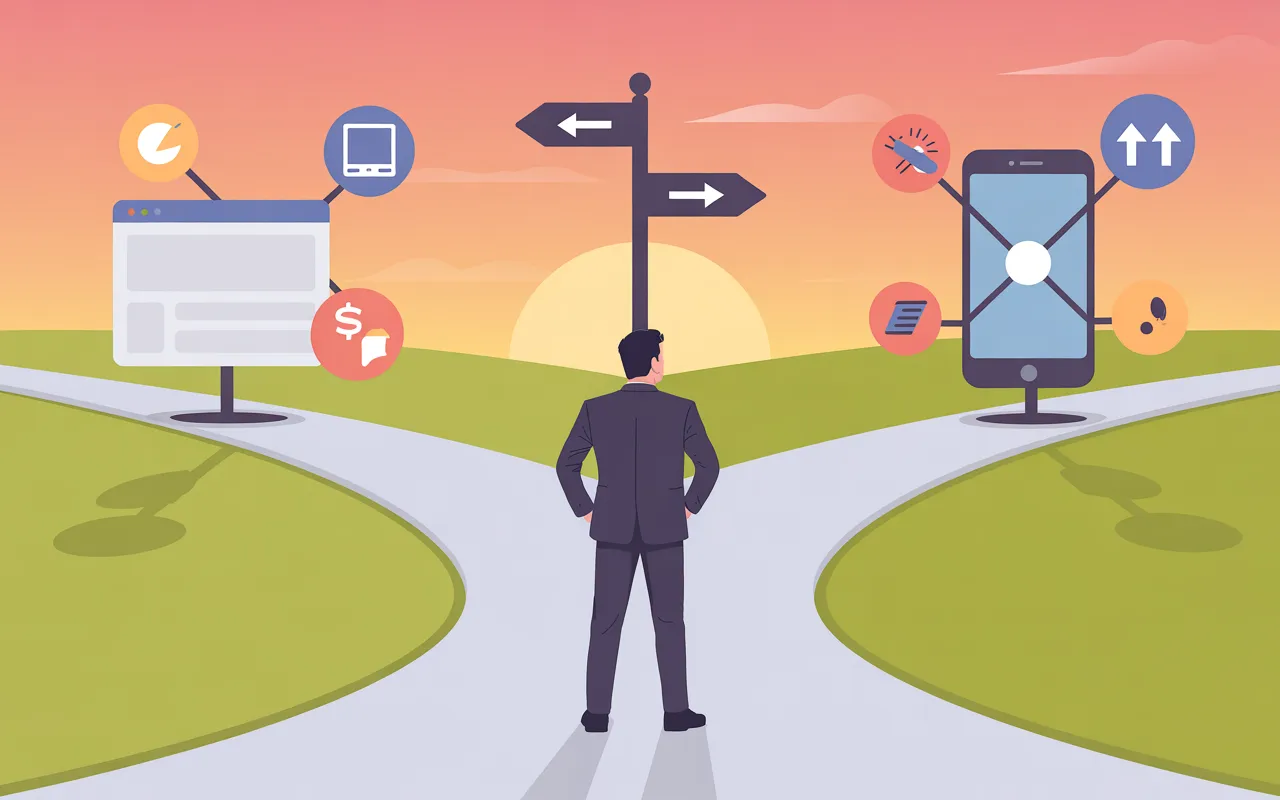
Web applications have fundamentally revolutionized how we interact with digital technology today, transforming complex software installations into accessible browser-based tools that work seamlessly across all devices and platforms worldwide. Understanding what is a web app opens doors to enhanced productivity, streamlined collaboration, and remarkably cost-effective digital solutions for both personal and professional business use. From everyday productivity tools like Gmail and Google Drive to entertainment platforms like Netflix and Spotify, these powerful applications clearly demonstrate the incredible potential and versatility of modern web-based technology solutions.
1. What Exactly is a Web Application?
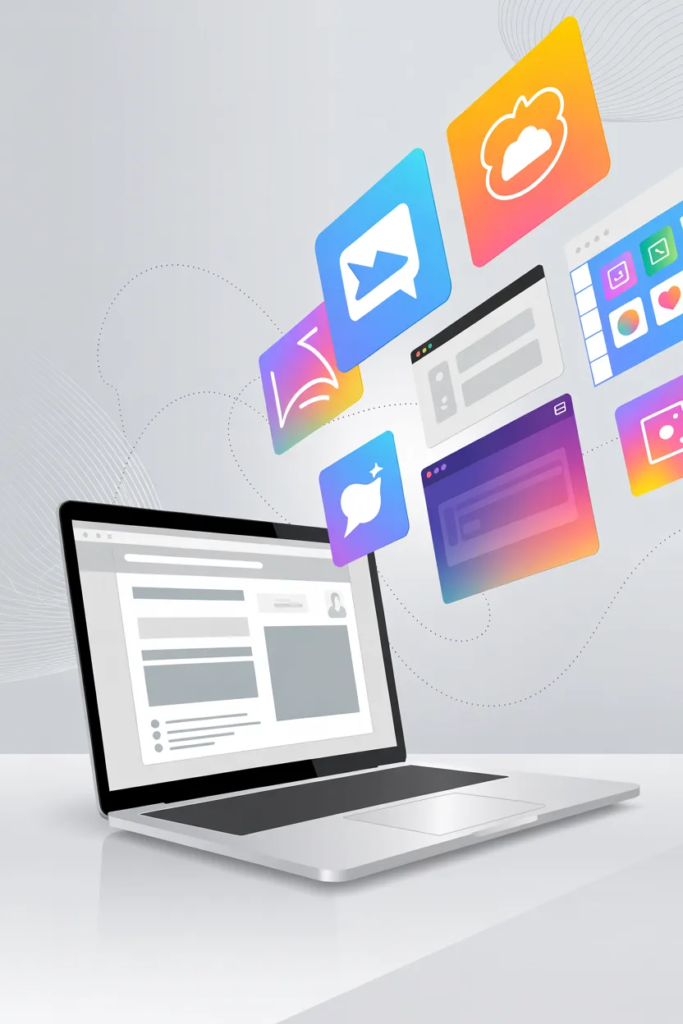
Understanding what is a web app starts with recognizing it as a software application that runs entirely through web browsers, eliminating the need for traditional desktop installations. Unlike conventional software that requires downloading and installing on specific devices, web applications operate on remote servers and deliver functionality through internet connections. This fundamental difference makes web apps incredibly versatile and accessible across various platforms and devices.
Web applications have revolutionized how we interact with digital tools by providing instant access to complex functionalities through simple URLs. From email clients like Gmail to productivity suites like Google Workspace, these applications demonstrate the seamless integration between user interfaces and cloud-based processing power. The beauty of web apps lies in their ability to deliver sophisticated features while maintaining simplicity in access and operation.
2. Key Features That Define Modern Web Apps
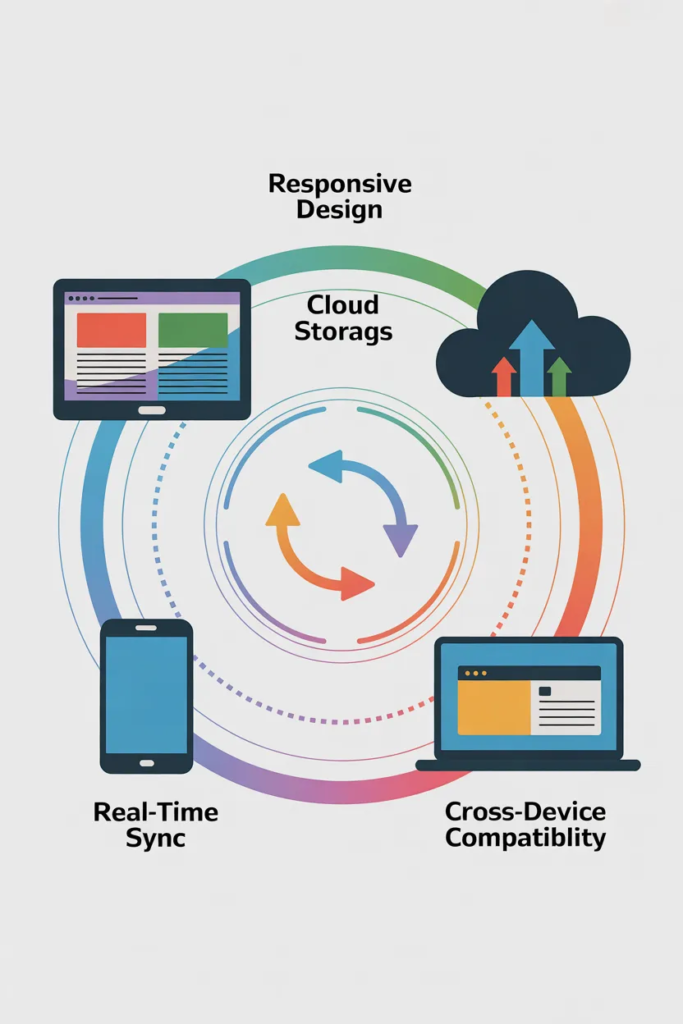
Modern web applications distinguish themselves through several critical features that enhance user experience and operational efficiency. Responsive design ensures optimal viewing across desktop computers, tablets, and smartphones, while cloud-based architecture provides reliable data storage and processing capabilities. Real-time synchronization allows users to access updated information instantly, regardless of their location or device preference.
Interactive user interfaces powered by advanced technologies like JavaScript frameworks create engaging experiences that rival traditional desktop applications. Features such as offline functionality, push notifications, and seamless integration with other web services make these applications indispensable for both personal and professional use. The combination of these elements explains what is a web app in today’s interconnected digital landscape.
3. Platform Independence: Access Anywhere, Anytime
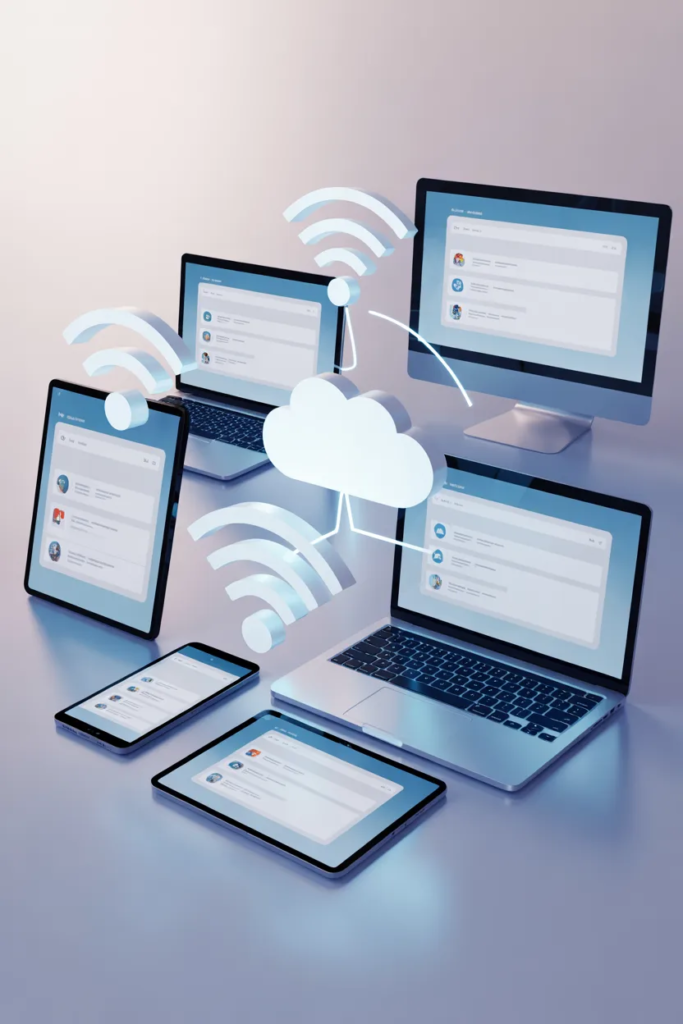
Platform independence stands as one of the most compelling advantages when exploring what is a web app compared to traditional software solutions. Users can access their favorite applications from any device with internet connectivity and a web browser, eliminating compatibility concerns between different operating systems. This universal accessibility transforms how teams collaborate and individuals manage their digital workflows.
The freedom to switch seamlessly between devices throughout the day enhances productivity and provides unprecedented flexibility in work arrangements. Whether accessing project management tools from a office desktop, reviewing documents on a tablet during commute, or responding to communications via smartphone, web applications maintain consistent functionality and appearance. This device-agnostic approach represents a fundamental shift toward more inclusive and adaptable digital experiences.
4. Cost-Effective Development and Maintenance
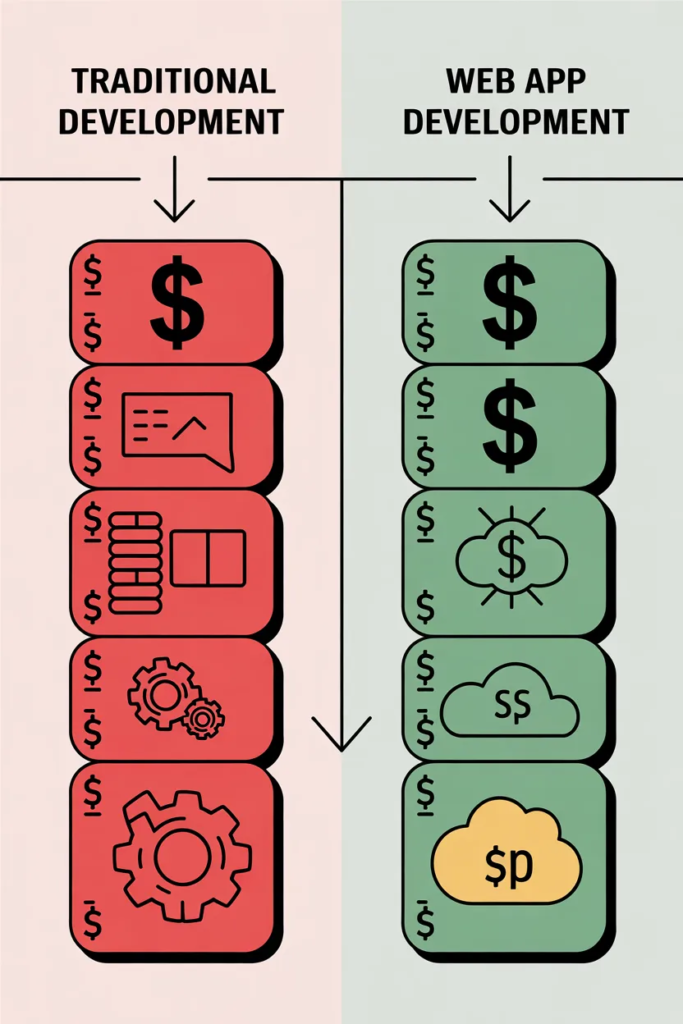
Developing web applications typically requires significantly lower investment compared to creating multiple native applications for different platforms and operating systems. Companies can allocate resources more efficiently by building a single web-based solution that serves all users, regardless of their preferred devices or platforms. This unified approach reduces both initial development costs and ongoing maintenance expenses.
The cost benefits extend beyond development into long-term operational advantages that make web apps attractive for businesses of all sizes. Updates and bug fixes can be deployed instantly across all users without requiring individual downloads or installations, reducing support costs and ensuring consistent user experiences. Understanding what is a web app includes recognizing these economic advantages that make digital transformation more accessible for organizations with limited technology budgets.
5. Real-Time Updates and Automatic Upgrades
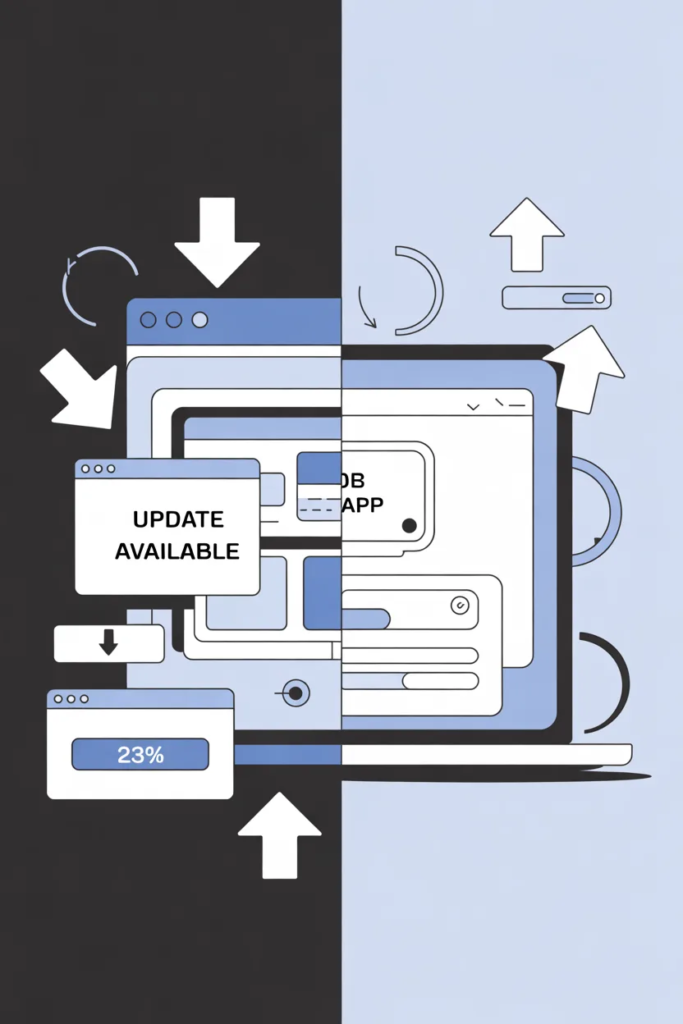
Real-time updates represent a game-changing feature that distinguishes web applications from traditional software installations. Users automatically receive the latest features, security patches, and improvements without manual intervention or scheduled downtime. This seamless update process ensures everyone operates with identical functionality and maintains access to cutting-edge capabilities as soon as they become available.
The automatic upgrade system eliminates common problems associated with software version conflicts and compatibility issues that plague traditional desktop applications. Development teams can rapidly deploy fixes and enhancements, creating a more responsive relationship between user feedback and product improvements. This dynamic update capability fundamentally changes what is a web app experience by fostering continuous innovation and immediate problem resolution.
6. Enhanced Security and Data Protection

Web applications benefit from centralized security management that protects user data through multiple layers of professional-grade protection systems. Unlike local software that relies on individual device security measures, web apps leverage enterprise-level security protocols, regular security updates, and professional monitoring services. This centralized approach provides more robust protection against evolving cyber threats and data breaches.
Advanced encryption, secure authentication methods, and automated backup systems ensure that sensitive information remains protected while maintaining easy accessibility for authorized users. Professional hosting environments offer redundancy, disaster recovery, and compliance with industry security standards that would be prohibitively expensive for individual organizations to implement independently. Understanding what is a web app includes appreciating these sophisticated security advantages that protect both personal and business data.
7. Popular Web App Examples You Use Daily
Examining popular web applications reveals the diverse ways these platforms have integrated into daily life and business operations. Gmail revolutionized email communication by providing powerful search capabilities, extensive storage, and seamless integration with other productivity tools. Netflix transformed entertainment consumption through streaming technology that adapts video quality based on internet connection speeds while maintaining viewing history across devices.
Collaboration tools like Slack and project management platforms such as Trello demonstrate how web applications facilitate remote work and team coordination. These examples illustrate what is a web app potential by showing how browser-based applications can deliver complex functionality while maintaining user-friendly interfaces. The success of these platforms proves that web applications can effectively replace traditional desktop software while offering superior convenience and accessibility.
8. Progressive Web Apps: The Future of Mobile Experience
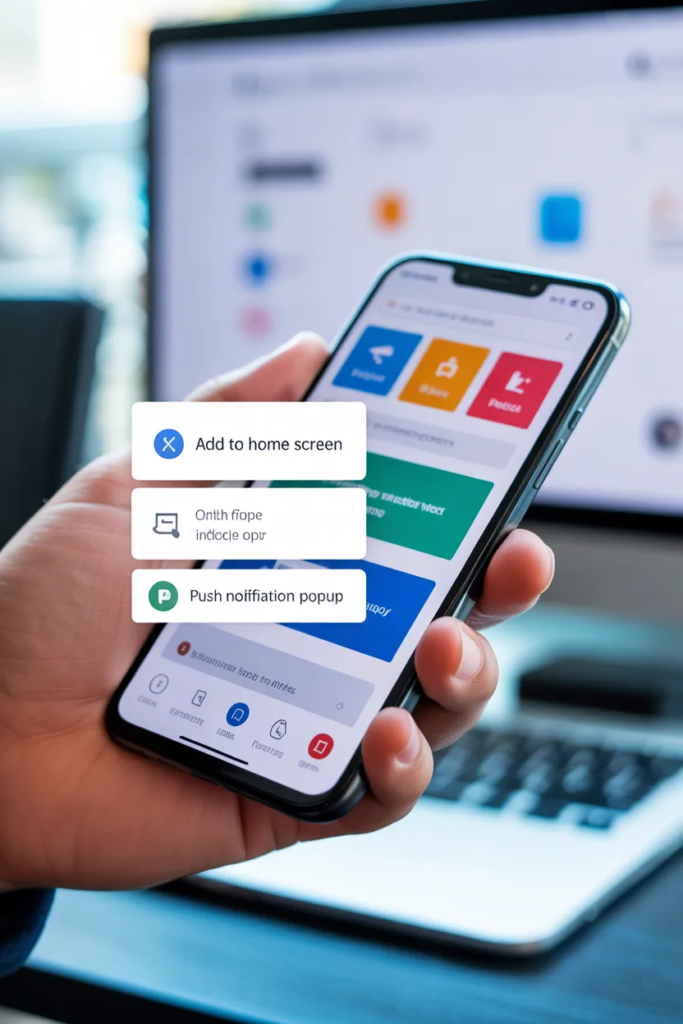
Progressive Web Apps represent the evolution of web application technology by combining the accessibility of web browsers with the functionality and performance of native mobile applications. These advanced web apps can be installed directly onto device home screens, work offline, send push notifications, and access device hardware features while maintaining the universal compatibility advantages of traditional web applications.
PWAs bridge the gap between web and mobile app experiences by delivering fast loading times, smooth animations, and intuitive interfaces that rival native applications. Major companies like Twitter, Pinterest, and Starbucks have successfully implemented PWAs to provide enhanced mobile experiences without requiring separate app store distributions. This technology expansion redefines what is a web app by demonstrating how web-based solutions can deliver premium mobile experiences while maintaining cross-platform compatibility.
9. Choosing Between Web Apps vs Native Apps
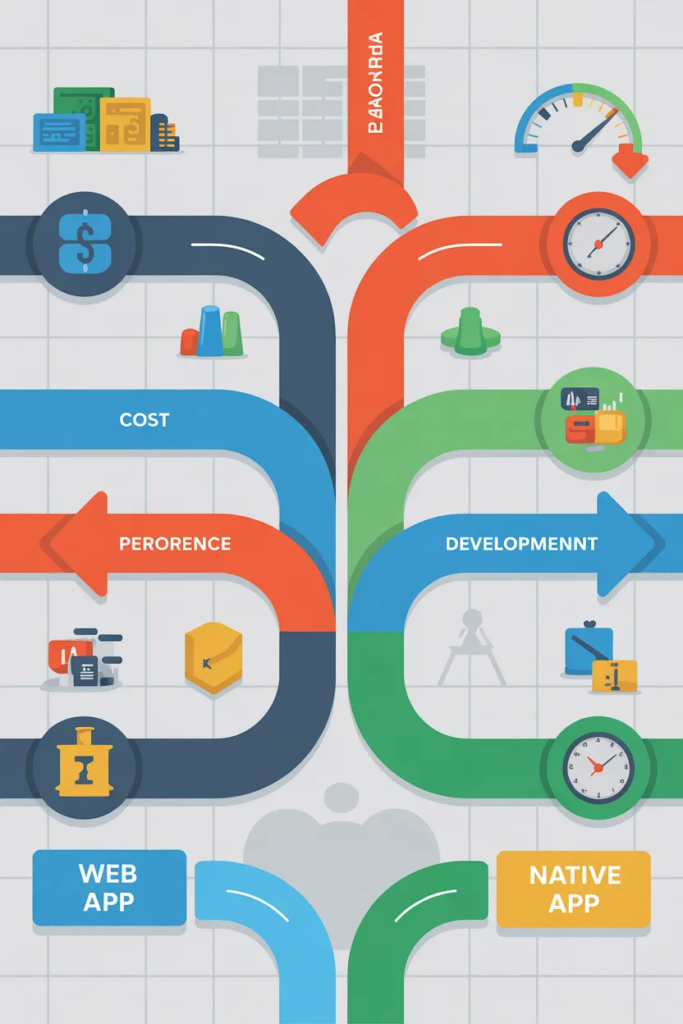
The decision between web applications and native mobile apps depends on specific project requirements, target audience needs, and available resources. Web apps excel in scenarios requiring broad accessibility, rapid deployment, and cost-effective development, making them ideal for businesses targeting diverse user bases across multiple platforms. Their universal compatibility and easy maintenance make them particularly suitable for productivity tools and content-based applications.
Native apps provide superior performance for graphics-intensive applications, complex gaming experiences, and scenarios requiring extensive device hardware integration. However, they require separate development for each platform and more complex maintenance procedures. Understanding what is a web app versus native app capabilities helps organizations make informed decisions that align with their strategic goals and user experience priorities while considering long-term maintenance and scalability requirements.
10. Getting Started: Building Your First Web Application

Beginning web application development requires understanding fundamental technologies including HTML for structure, CSS for styling, and JavaScript for interactive functionality. Modern development frameworks like React, Vue.js, or Angular provide powerful tools for creating sophisticated user interfaces while backend technologies such as Node.js, Python, or PHP handle server-side processing and database management.
Successful web app development starts with clear planning that defines user requirements, feature specifications, and technical architecture before beginning actual coding work. Utilizing development tools, hosting platforms, and learning resources can accelerate the creation process while ensuring professional results. Understanding what is a web app from a development perspective opens opportunities for creating custom solutions that address specific business needs or personal projects while leveraging the powerful advantages of web-based technology platforms.
Conclusion
Understanding what is a web app reveals the transformative power of browser-based technology in today’s digital landscape. These versatile applications offer unmatched accessibility, cost-effectiveness, and seamless functionality across all devices. Whether you’re a business seeking efficient solutions or an individual exploring digital productivity tools, web apps provide the perfect balance of convenience and capability. Embrace the future of technology by leveraging these powerful web-based solutions to enhance your personal and professional digital experiences.